
Where Data Tells the Story
© Voronoi 2026. All rights reserved.

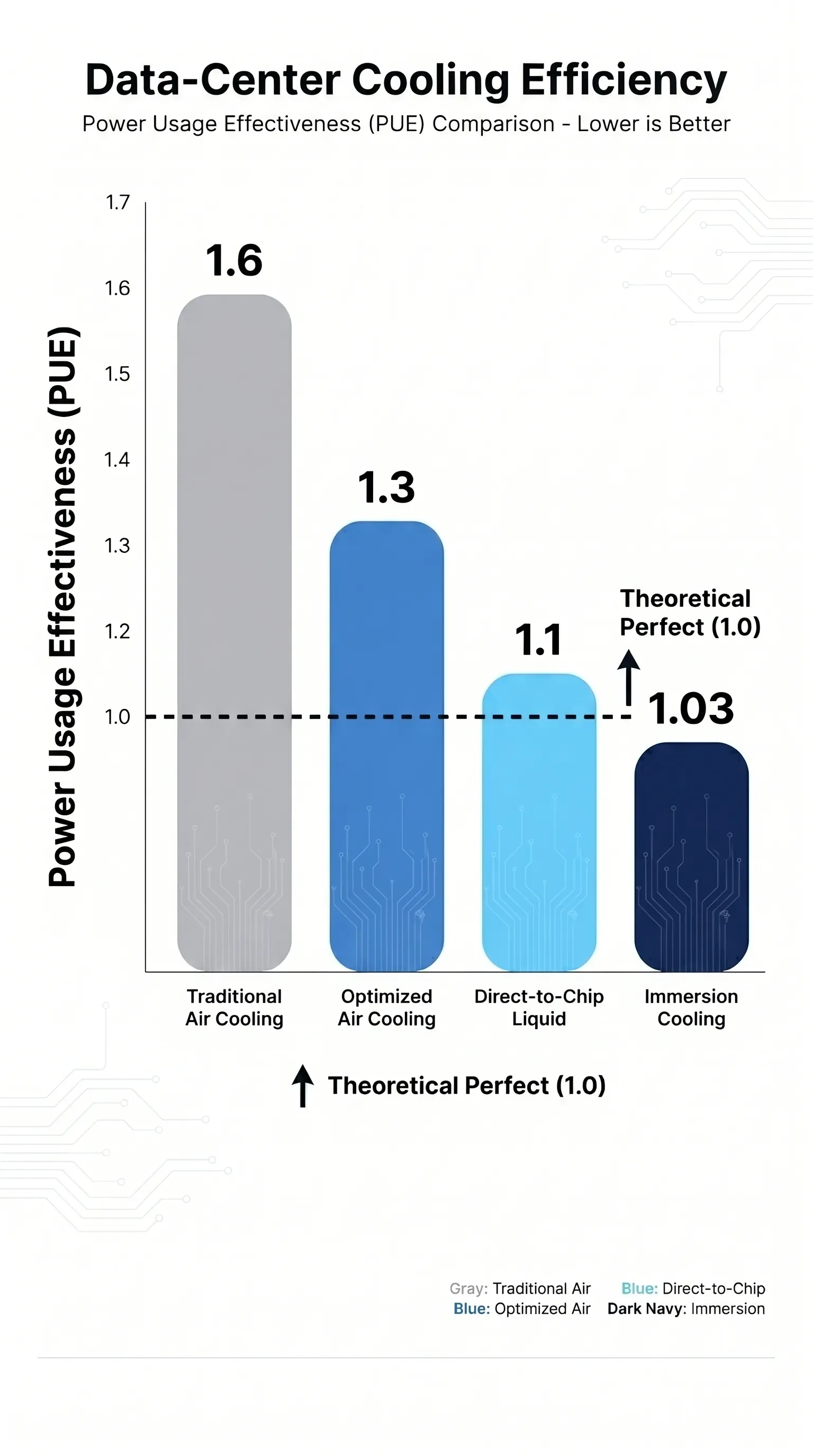
Liquid cooling also enables higher operating temperatures and improved heat capture, making heat reuse increasingly viable. Uptime research highlights that these systems can support waste heat recovery and integration into external uses such as district heating.
Water usage is another area of innovation. Traditional cooling methods can consume significant water, but newer designs are shifting toward water-efficient, hybrid, or even waterless systems. Uptime notes that modern facilities can dramatically reduce or nearly eliminate water use depending on cooling architecture.
Beyond operations, sustainability is extending into life cycle design. However, industry research shows that tracking of lifecycle metrics like carbon and equipment disposal remains limited, indicating that circularity is still an emerging focus area.
Together, these innovations show a clear transition: from optimizing single metrics like PUE to redesigning colocation infrastructure around energy, water, and lifecycle impact as a whole.